The same logo can look premium or cheap depending entirely on how it's applied. Print method decides the finish, the hand-feel, the durability and the cost — and the right choice depends on your artwork, fabric and order size. Here's a plain guide to the main decoration methods and when to use each, from a manufacturer's side.
Screen print is the streetwear standard — durable, great for bold graphics at volume. Puff adds 3D texture. Embroidery reads premium for logos. DTG suits complex, full-colour, low quantities. Match the method to your artwork, fabric and MOQ.
Screen printing
Ink pushed through a mesh screen, one screen per colour. The default for T-shirts and streetwear because it's durable, vivid and cost-effective at volume.
- Best for: bold graphics with limited colours, medium-to-large runs.
- Pros: long-lasting, strong colour, low per-unit cost at quantity.
- Watch: setup cost per colour, so it gets expensive for many colours or photo art.
Puff & high-density print
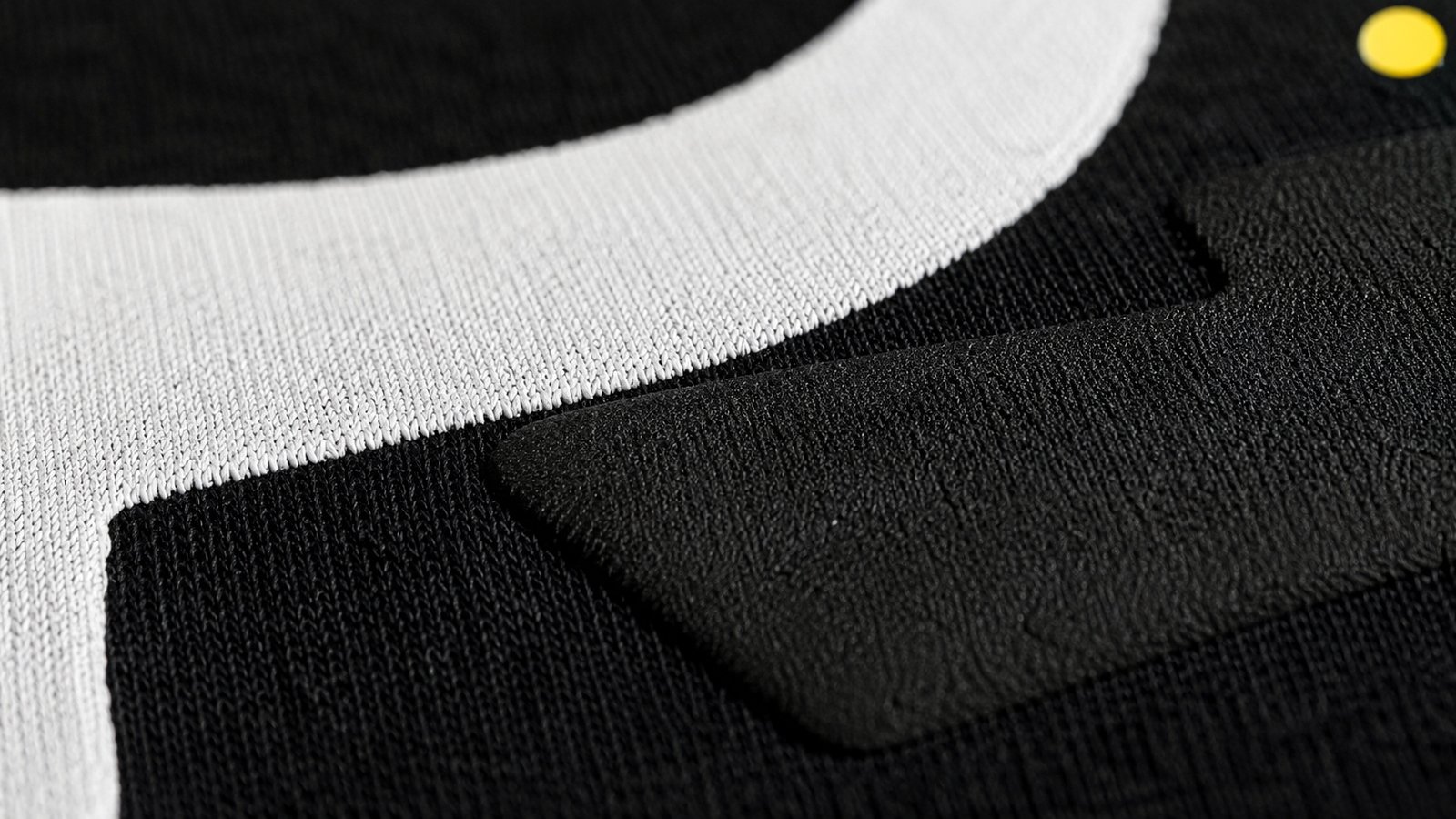
A screen-print variation using ink that rises when heated, creating a raised, 3D effect. High-density gives sharp raised edges; puff gives a softer dome.
- Best for: logos and text you want to feel, premium streetwear detail.
- Pros: tactile, elevated look that adds perceived value.
- Watch: not ideal for fine detail or large solid areas.
Embroidery
The design stitched into the fabric with thread. Reads premium and durable — the go-to for caps, polos, left-chest logos and branded merch.
- Best for: logos, monograms, structured branding on heavier fabrics.
- Pros: premium feel, very durable, no fading.
- Watch: not suited to fine gradients or large designs; adds weight.
For hoodie projects, read our guide to planning hoodie embroidery and sew-out approval before confirming logo placement and the finished sample.
DTG (direct-to-garment)
A printer sprays ink directly onto the garment, like an inkjet for fabric. Handles full-colour, photographic art with no per-colour setup.
- Best for: complex, multi-colour designs and small quantities.
- Pros: unlimited colours, low setup, great for low MOQ and on-demand.
- Watch: works best on cotton; less durable than screen print over many washes.
Other methods worth knowing
Heat transfer / vinyl
Designs pressed on with heat. Good for names, numbers and short runs; less breathable.
Patches
Woven, embroidered or leather patches sewn or pressed on — strong branding statement.
Sublimation
Dye fused into polyester for all-over, edge-to-edge prints that won't crack.
Water-based & discharge
Soft-hand inks that soak into the fabric for a vintage, "no-feel" print.
How to choose
There's no single best method — it depends on three things: your artwork (simple bold vs full-colour photo), your fabric (cotton vs poly, light vs heavy) and your quantity (screen print rewards volume; DTG suits small runs). A good manufacturer will recommend the method that survives production and wear for your specific design, and often combine methods on one garment.
Decorate your product
We match the right decoration to your artwork, fabric and order. For tees, see our custom T-shirt manufacturer page, or our private label T-shirt manufacturer page for full-brand programs. For branded merch and community apparel, see our custom merch manufacturer and branded apparel manufacturer pages.
Print method FAQ
What is the most durable print method?
Screen print and embroidery are the most durable over many washes. Embroidery never fades; quality screen print holds colour for years when cured properly.
Which method is best for small quantities?
DTG and heat transfer, because they have little or no per-colour setup cost. Screen print becomes cost-effective once quantity and colour count justify the setup.
What gives a 3D, raised effect?
Puff and high-density print raise off the fabric for a tactile, premium look — popular for streetwear logos and text.
Can you combine print methods on one garment?
Yes. Combining, for example, screen print with embroidery or a patch is common and adds a premium, considered look.
What's the MOQ for custom decoration?
MOQ starts from 50 pcs per style. The right method depends on your artwork, fabric and quantity — we'll advise the best fit before sampling.